19-07-2026
Meeting with Pyotr Bartolomey
The last two expeditions with Igor Dyatlov
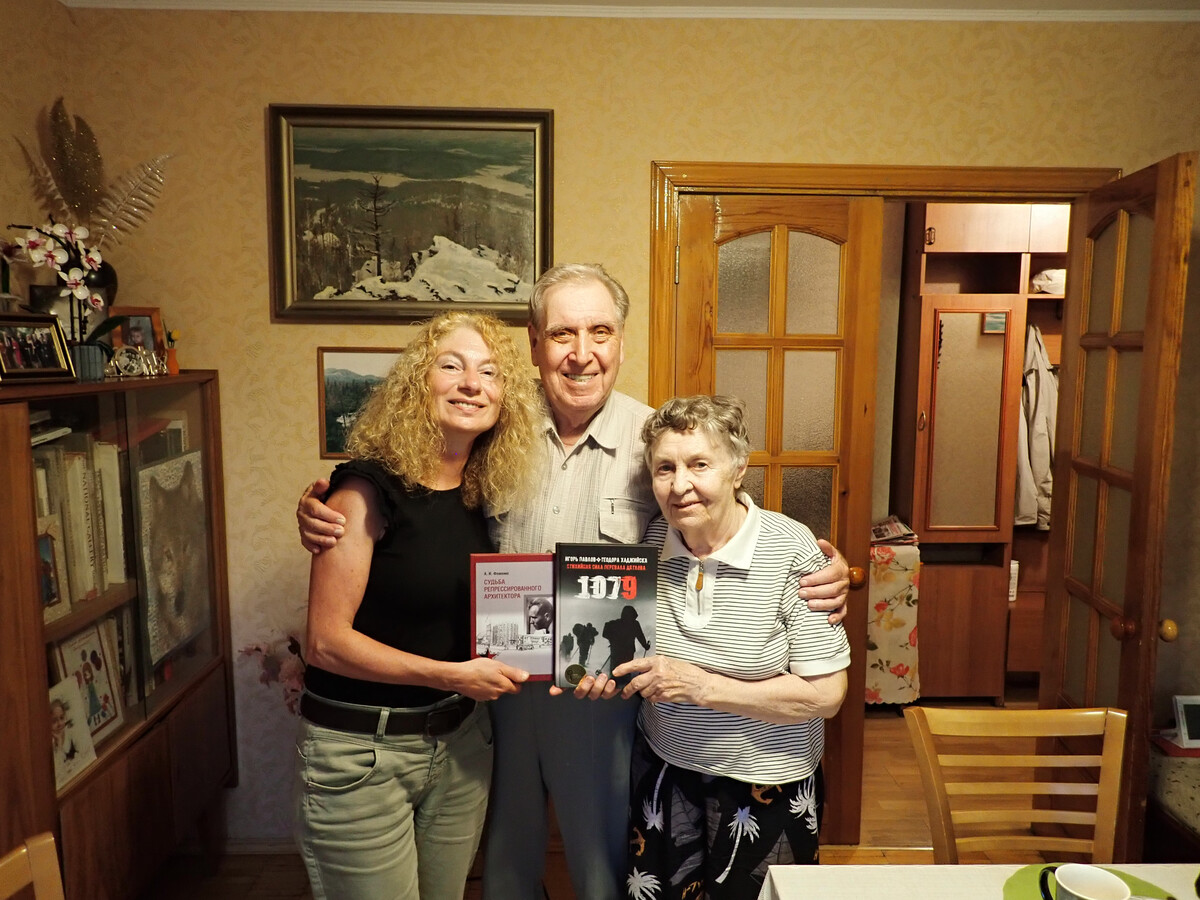
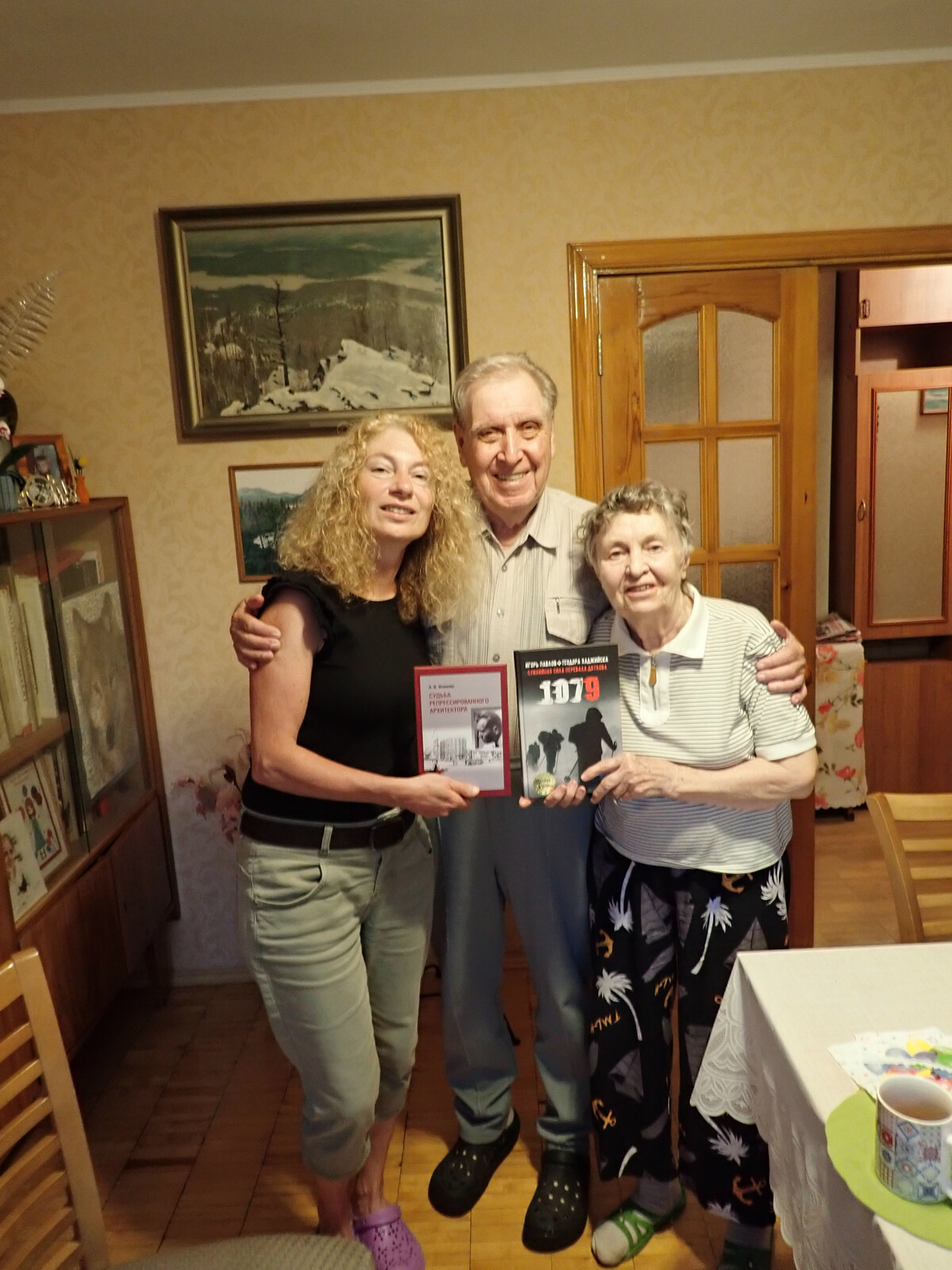
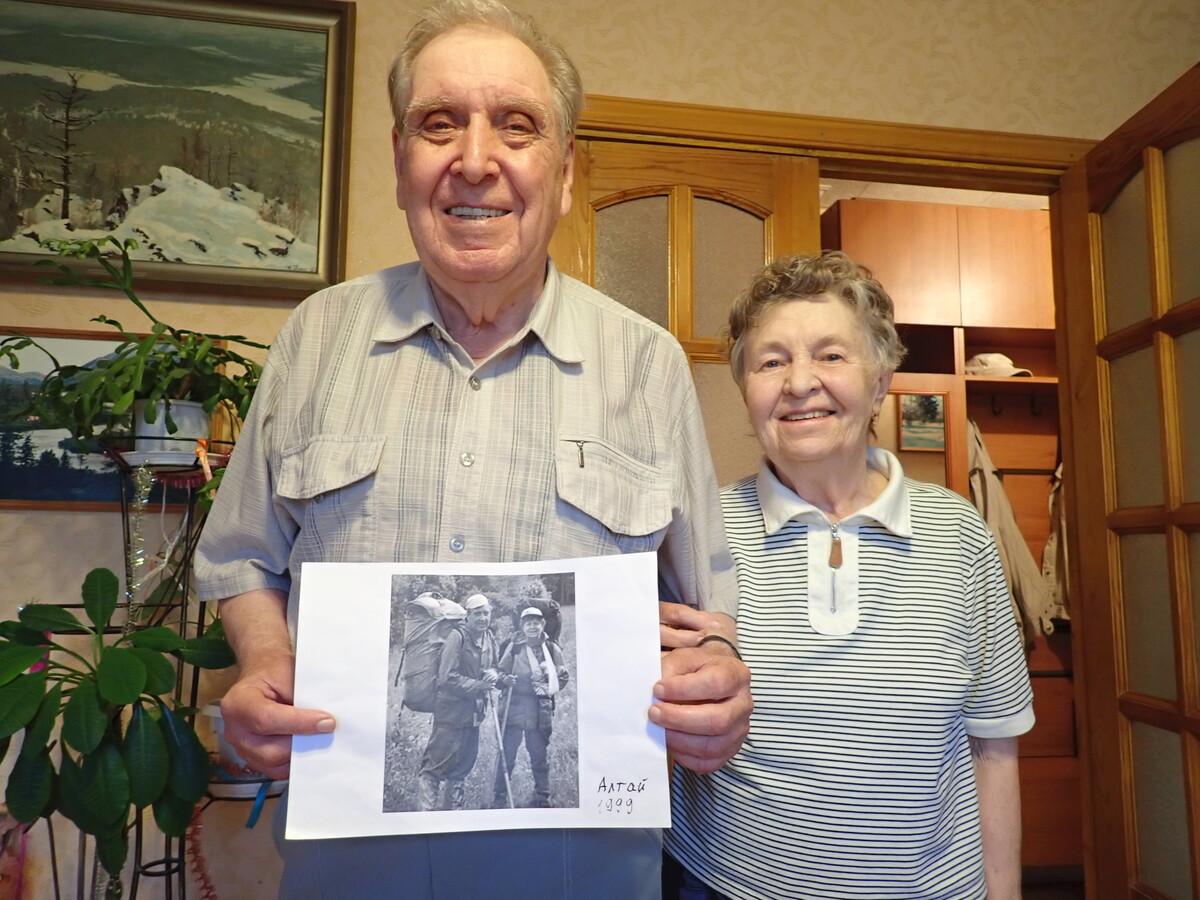
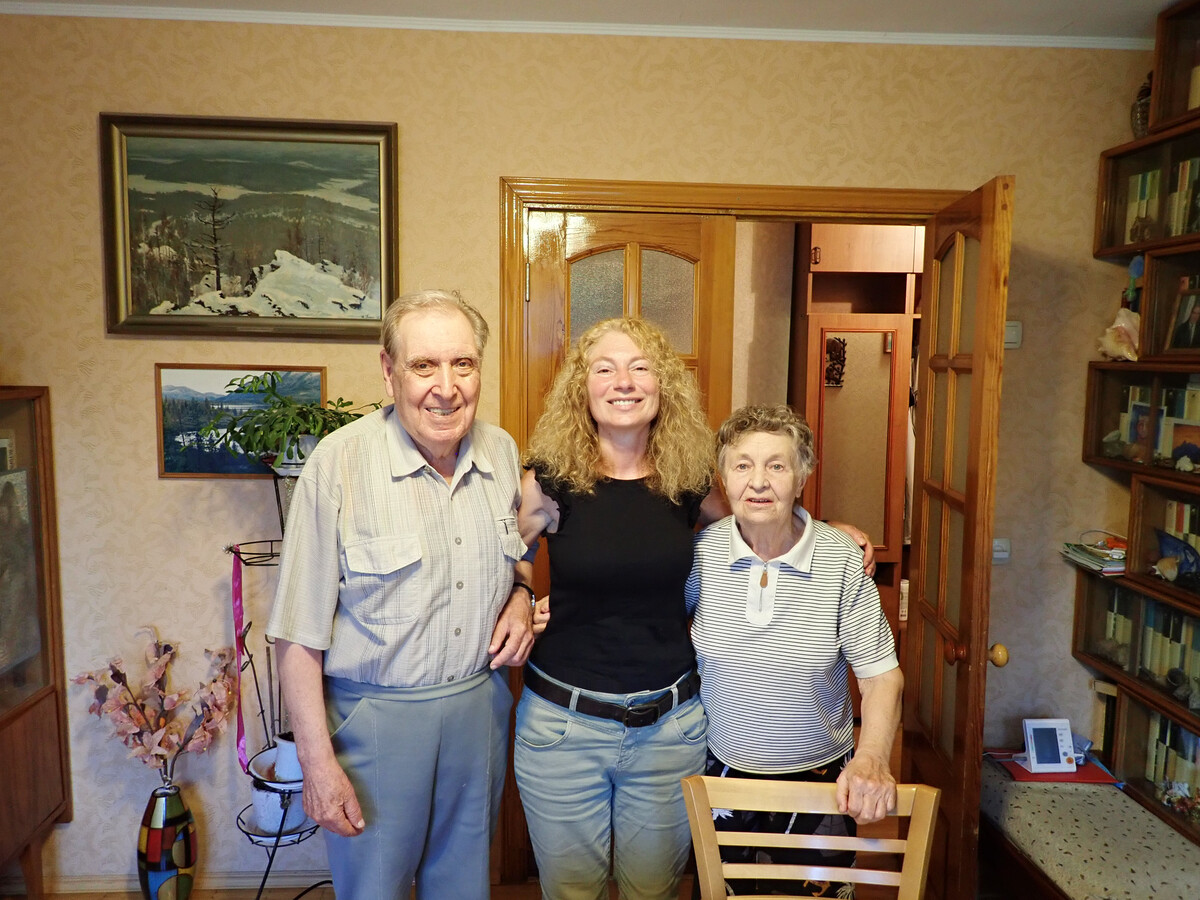
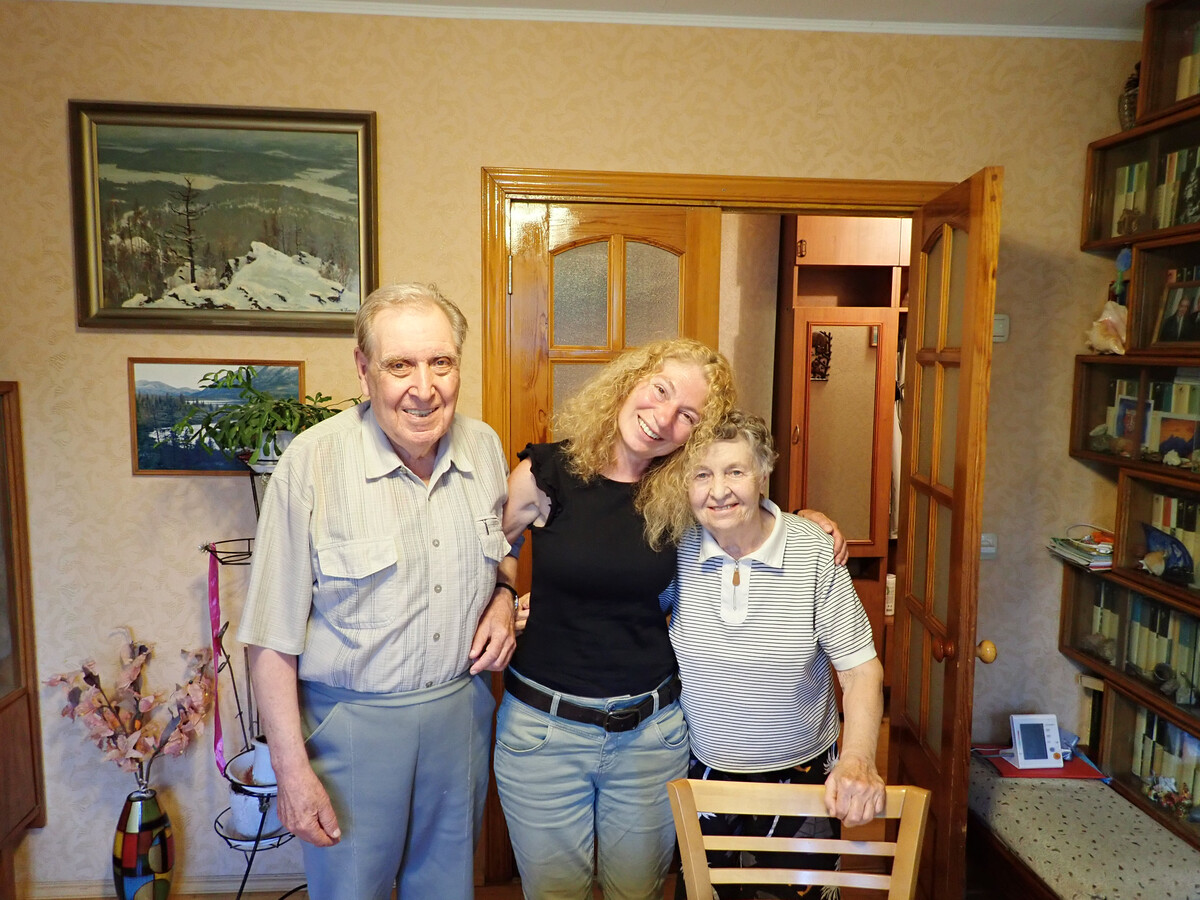
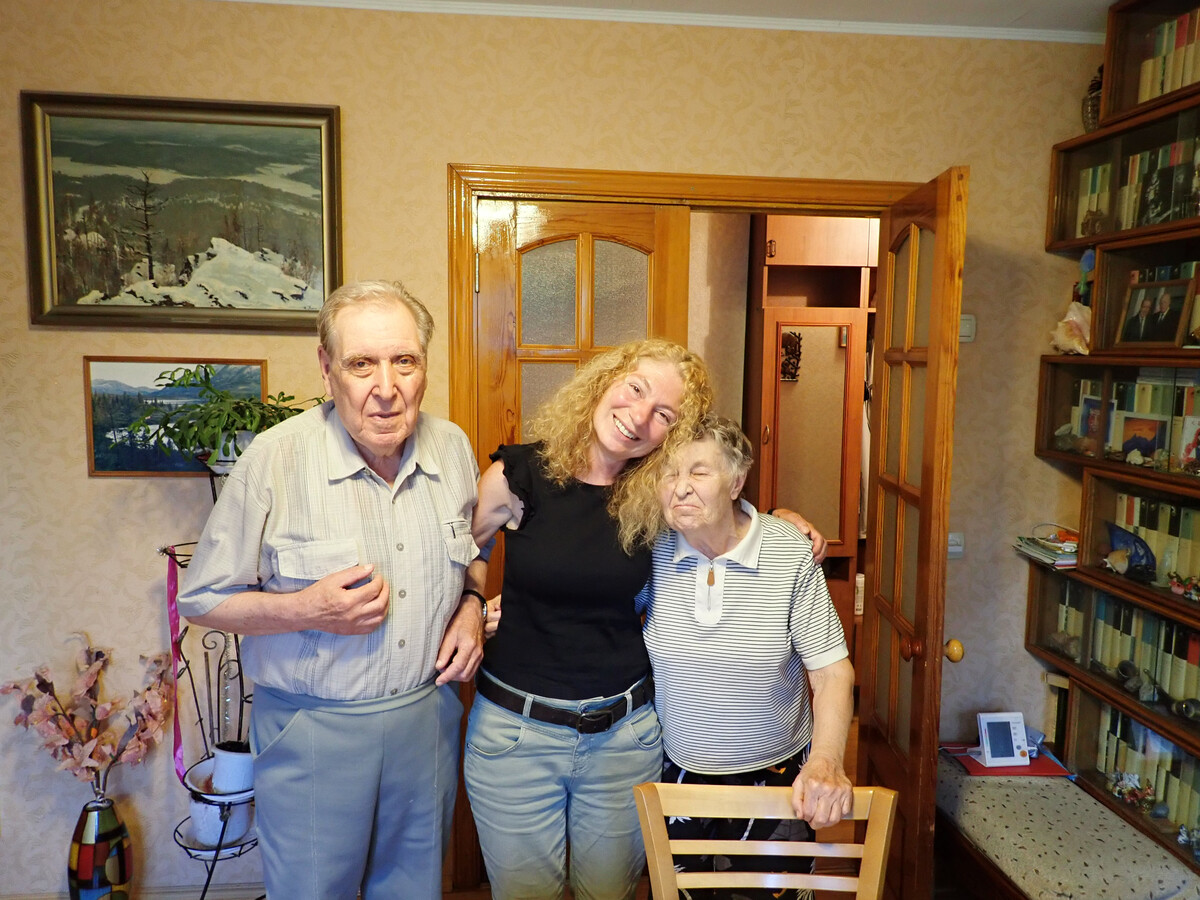
Meeting with Pyotr and Lyudmila Bartolomey July 19, 2026

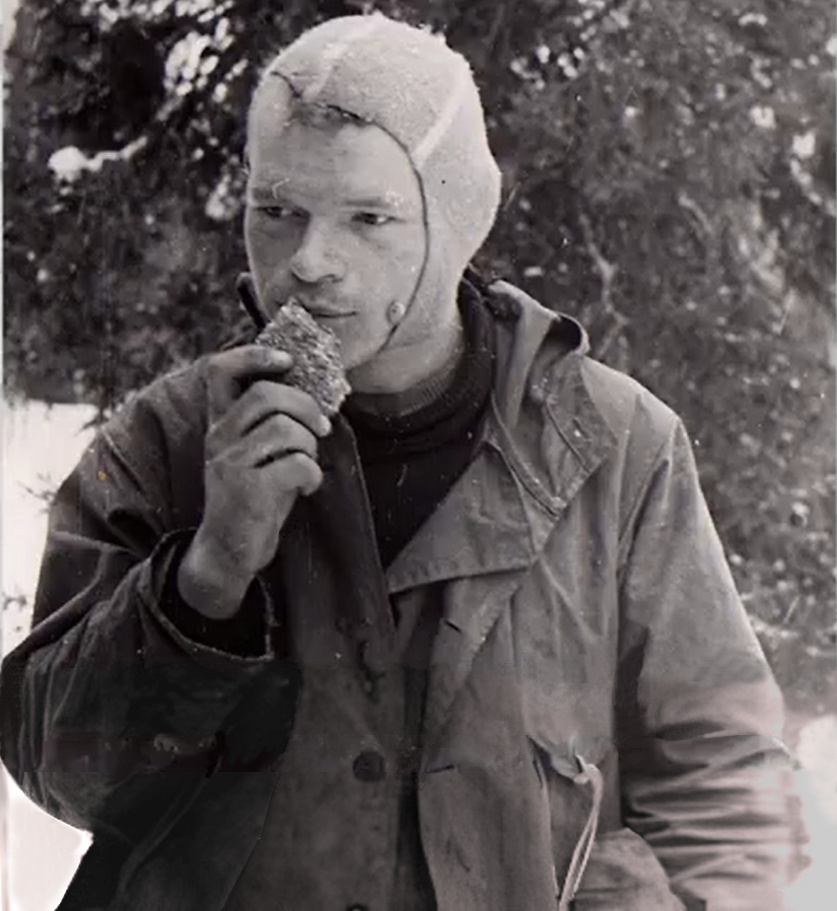
Bartolomey July 19, 2026
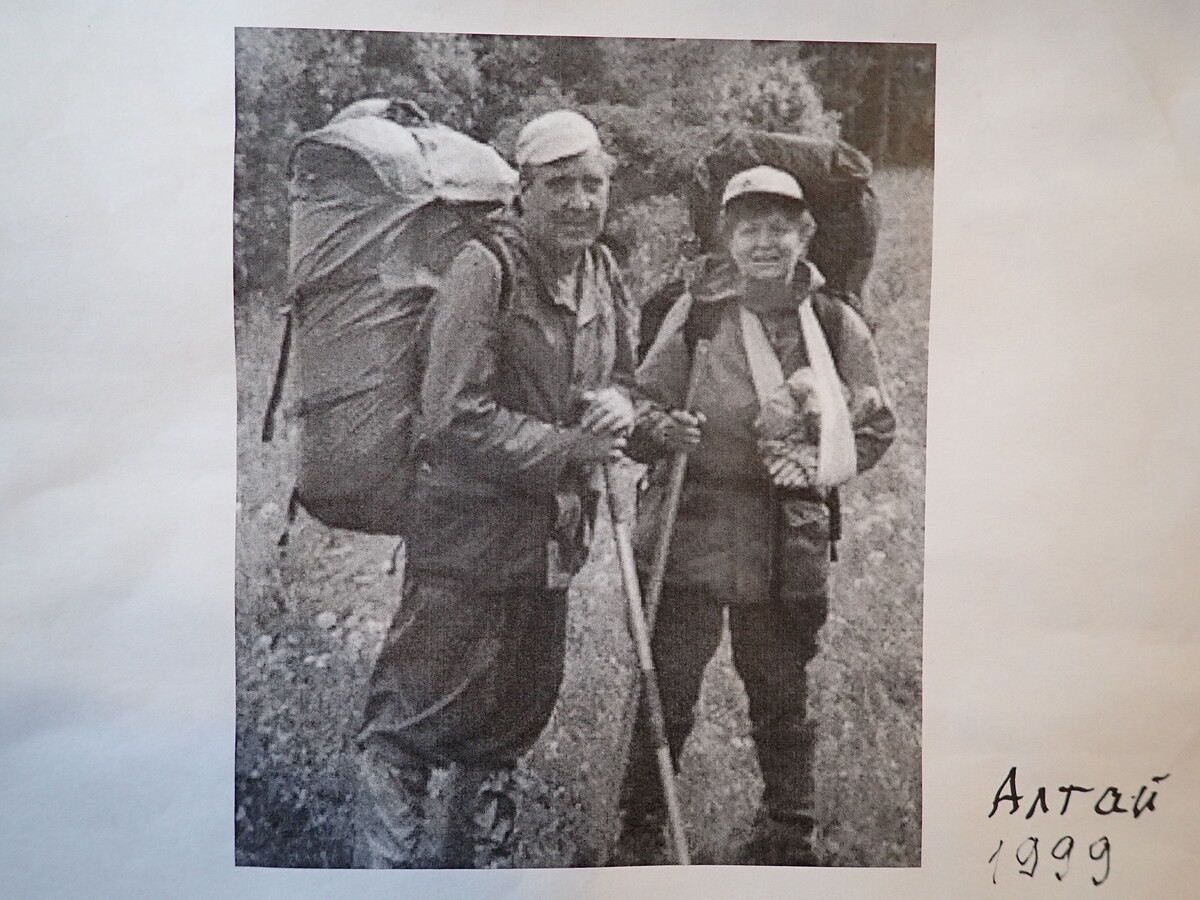
The narrative refers to category III hike in Altai Jul 31 - 22 Aug, 1958
"When we're going on hikes, if both of us were members of the group and neither of us was leading, Dyatlov was the best friend you could wish for, but when he was the leader and I was a member only, Igor was the worst.
One time he went into a direction that we all, 7-8 hikers, knew it's wrong. We had to go the other way. So we didn't follow him. He continued, and didn't turn back, didn't say anything. We stayed. I was the komsorg. Every group had a komsomol organizer. All the students rushed me to go after Igor and ask him to turn around. I ran and when I caught up with him started talking. I said that he has to talk to us, explain his decision when he sees that there is obviously a doubt. Igor wanted to cross the river on a steep bank when there was no need to go to the other side. Or so we thought. It turns out that Igor had a map or hand drawn topos (rus crocks) from someone's previous hike and he knew that there is a difficult passage ahead, a bom (in the Altai Mountains, this word is used to describe a narrow spot between a river and a mountain, along which a road runs, as well as a rocky cliff or steep bank), so he decided it is easier to cross to the other side or the river to pass the problematic place. But the problem remained. It is not that he had wrong information, but that he expected us to accept his decision unconditionally, without any explanation. It is not by chance that I was in the capacity of a komsomol organizer. I was good at smoothing out group dynamics. I talked to Igor on that hike, and he broke, but this is not to say that he wouldn't do the same on the next trek he is leading. I guess a situation could have risen especially with Zolotaryov as senior hiker with more if not hiking then life experience.
Zolotaryov survived the war, a big achievement on its own."
* * *
Pyotr Bartolomey took part in the search Mar 13-23, 1959.
"I spent two weeks huddled down in a tent with Ivanov. He was asking me about everything and everybody.
After the first five bodies were found, he was summoned and we parted with the promise that we will continue the conversation. When Ivanov returned he was withdrawn, and didn't want to talk even to Maslennikov (the head of the search operation). Ivanov said to me – I can't talk to you, I am not allowed. It was obvious to me that he was told what happened, sworn to silence and he was afraid."
* * *
"Same thing about Vozrozhdenniy. When his health deteriorated and he was dying from cancer, possibly due to exposure on the pass, his wife begged him to tell the truth on his dying bed but he didn't. He was protecting his family."
* * *
"When I was on the pass for 2 weeks, I saw the footprints and there were no traces of strangers, and I was absolutely convinced that the cause of death was technogen - a man made disaster."
Meeting with Pyotr and Lyudmila Bartolomey July 19, 2026
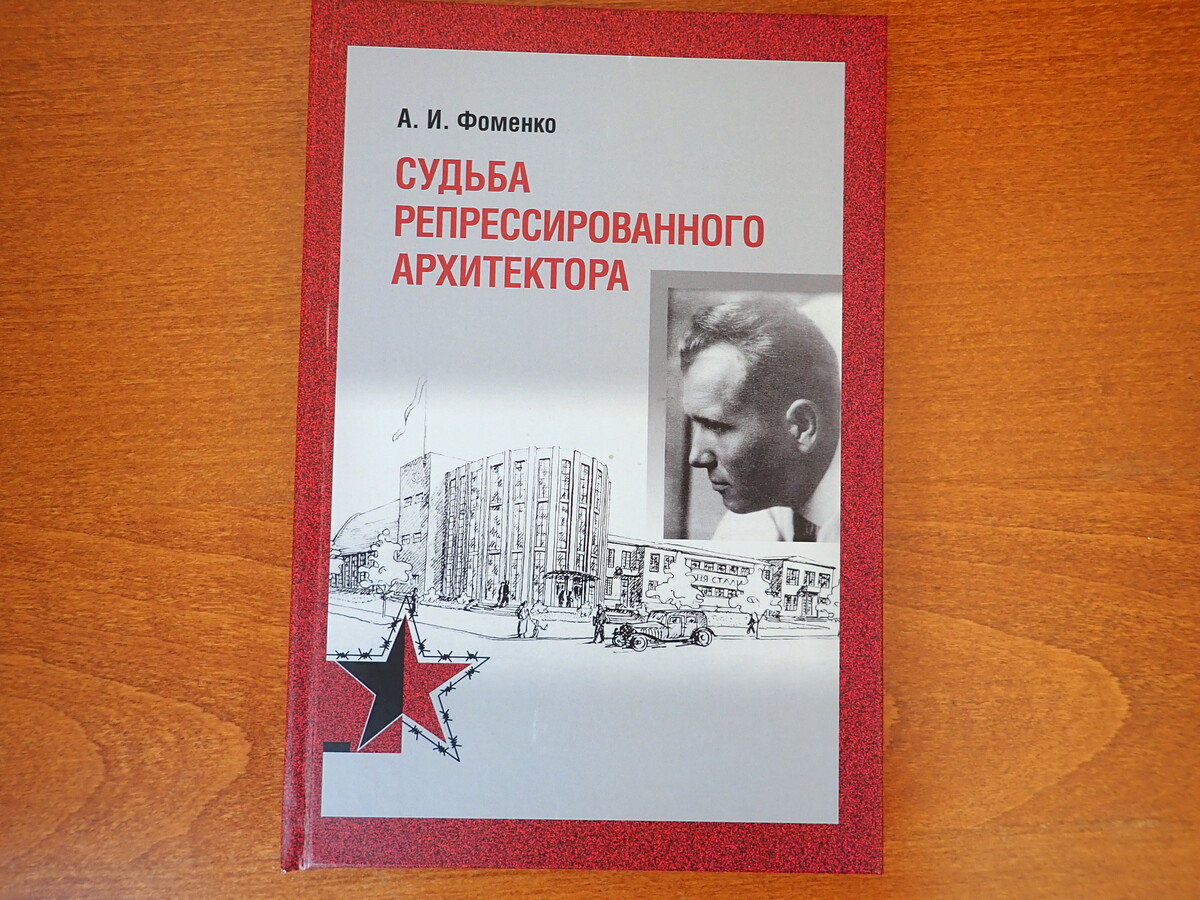
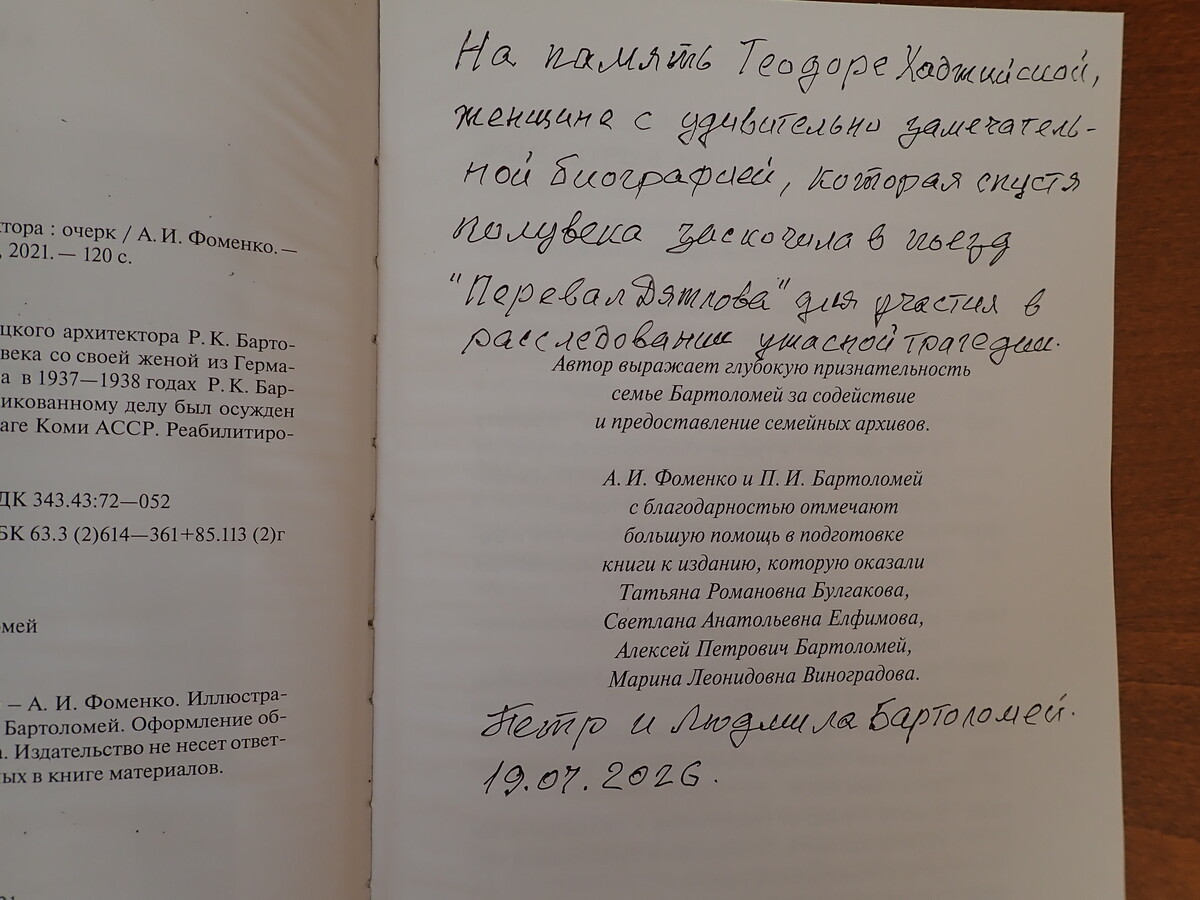
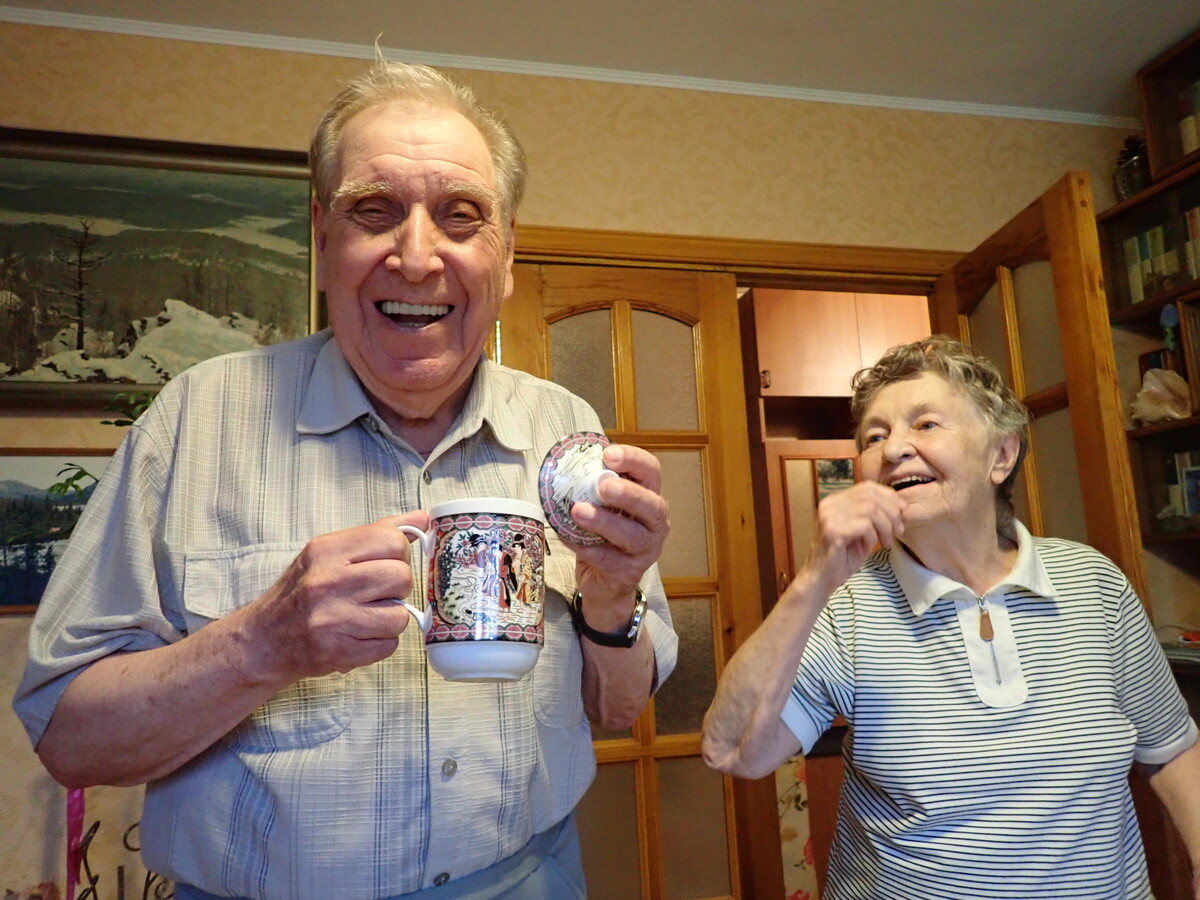
On my last day in Yekaterinburg July 19, 2026, I met with Pyotr and Lyudmila Bartolomey. They filled my heart with warmth. The couple is soulmates. The inscription on the book about the tragic fate of Pyotr Ivanovich's father who was sent to a gulag says: "To Teodora Hadjiyska, a woman with an amazingly remarkable biography, who, half a century later, jumped on the Dyatlov Pass train to participate in the investigation of the terrible tragedy. Pyotr and Lyudmila Bartolomey 07/19/2026"
 A gift from Askinadzi
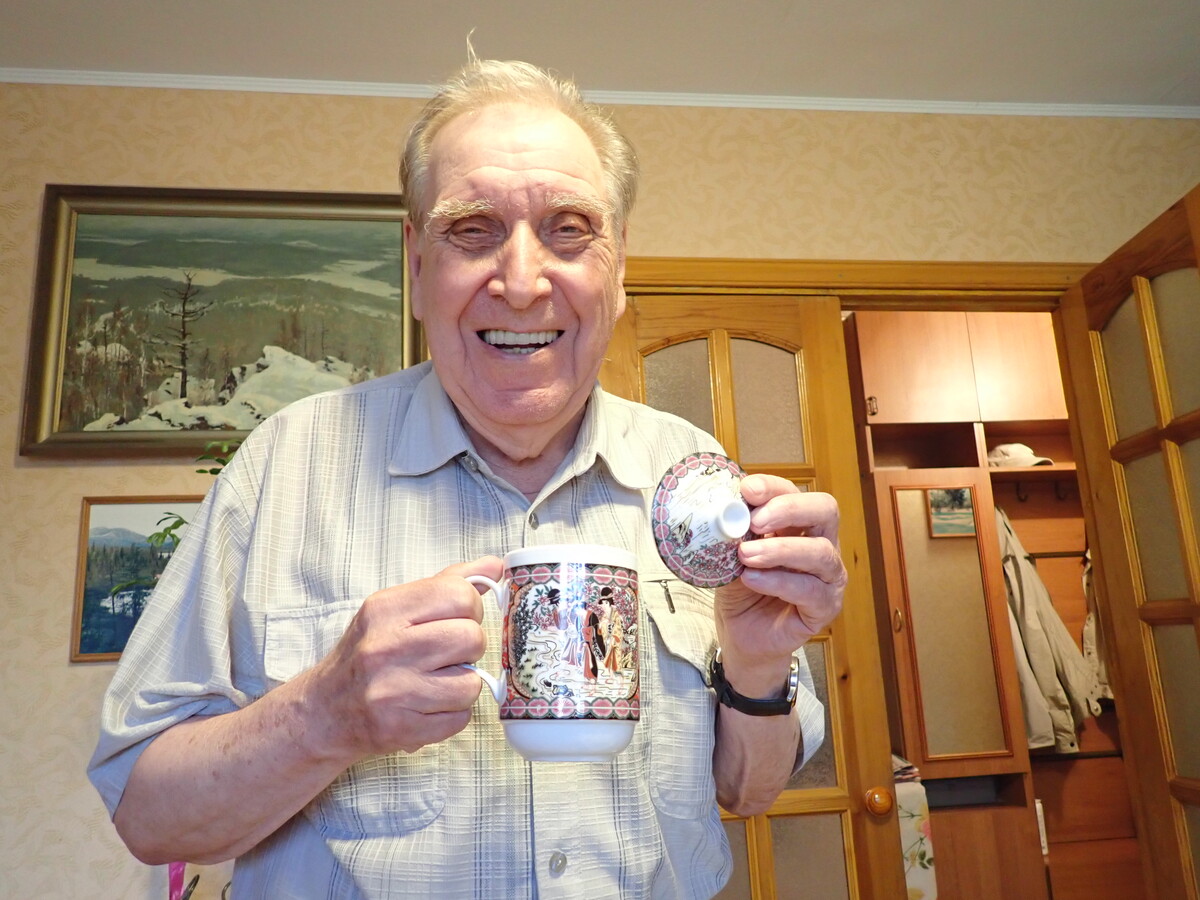 A gift from Askinadzi